|
Competition is fierce in this mature industry, with industry participants
offering the best price, experience and references most likely to reap the
benefits.
Knowledge is power... being an industry "expert" is what gives you the advantage
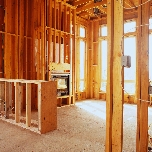
today! Drywall & installation is a project that takes a lot of preparation
in order to do it right the first time. Though drywall & installation can be
strenuous work, if you plan correctly the job can easily be done with more
efficiency and cost-effectiveness.
The primary activities of our company are:
-
Drywall construction
-
Taping and finishing drywall
-
Ceilings, acoustical installation
-
Highest quality spray foam insulation
-
Insulation installation
-
Solar reflecting insulation film
Ryan Insulation &
Drywall is a specialist in commercial and residential insulation & Drywall for
both new construction and renovation projects. We are a trusted name among the
most selective group of builders, architects and homeowners.
Ryan Insulation &
Drywall is a family owned and operated business that prides itself on customer
satisfaction. RDI has offered it's customers cutting edge products with superior
workmanship. Our company has an excellent reputation for customer satisfaction
and value.
Contact us today! |